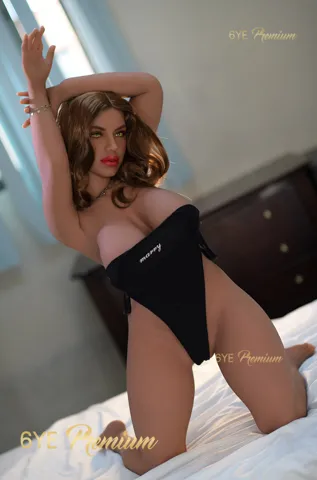
How to Read a 6Ye Doll Photo Set
Use photographs to answer specific appearance questions while keeping configuration and performance claims separate.
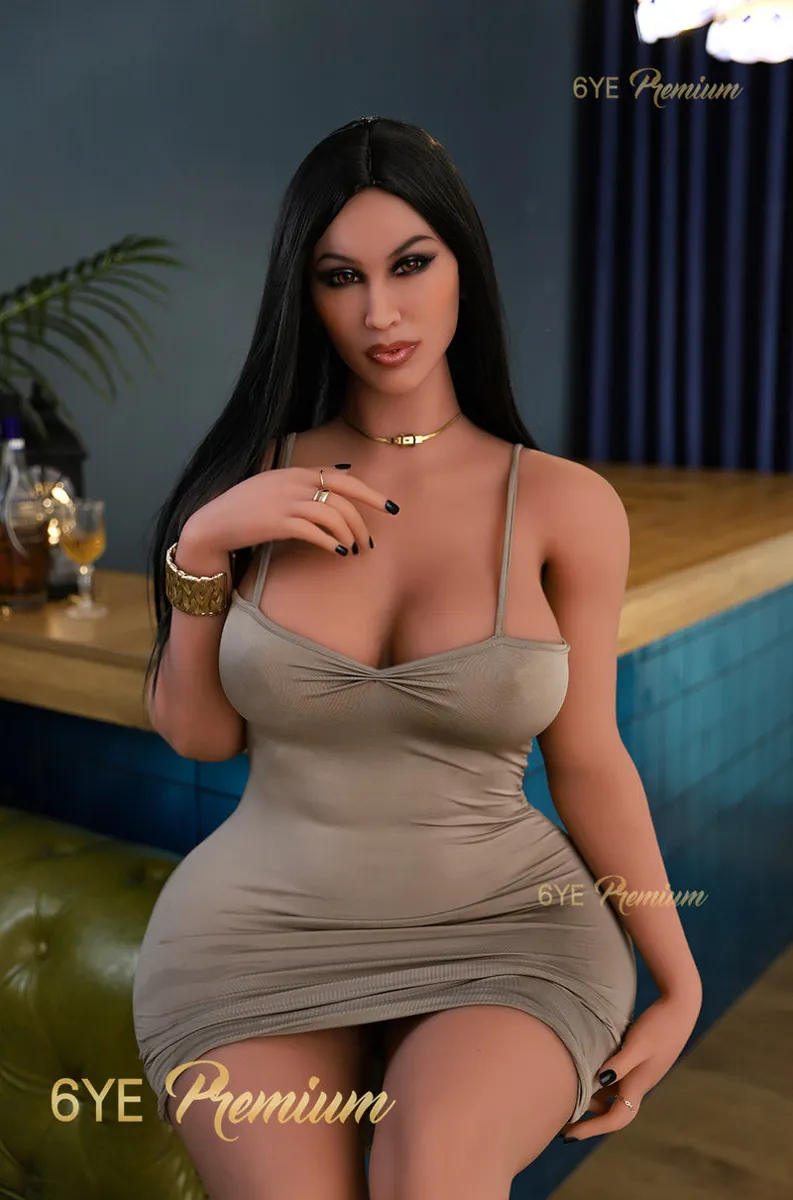
Product photograph for illustration. This guide is original editorial guidance, not a hands-on review of the pictured model.
A good product photograph tells you something real about the scene in front of the camera. It does not necessarily tell you the complete contents of an order or how an item will perform over time. When reviewing a 6Ye Doll photo set, decide what each image can help you assess and what still requires a written specification. That distinction makes visual research much more useful.
Identify the exact example in the frame
Ask for the product, head and body references represented in the images you are considering. Note any stated version, material or finish. If a listing combines older and newer photo sets, ask which images correspond to the available configuration. A consistent name across the page does not prove that every photograph shows identical options.
Save the particular images you are discussing and label the details that matter to you. Referring to the third image from the top may become confusing if the gallery order changes. An attached reference with a short explanation gives the seller a clearer question to answer.
Look for complementary views
An overall view helps with proportions and presentation. A profile can clarify shape that is difficult to judge from the front. A close view can reveal visible finishing details. Ask for the missing perspective when it matters to your choice instead of treating one flattering angle as a complete inspection.
For a comparison, request similar lighting, distance and camera angles. Otherwise, a difference in presentation may look like a difference in the item. You do not need studio-perfect photography to ask a useful question; you need views that make the relevant detail understandable.
Separate styling from the supplied configuration
Write down visible items such as the wig, eyes, clothing, footwear, stand and other accessories. Ask which are included, which are optional and which are props. A photograph can show a complete presentation while the listed price covers only part of it. The quotation should resolve that distinction explicitly.
If your preference is a colour or makeup treatment, connect the reference to an option name or code. Ask for clarification when a code has no written description. Avoid inventing a colour name from a small screen image and assuming the supplier will interpret it the same way.
Do not ask a still image to prove movement
A pose shows an arrangement at one moment. It does not explain the support used outside the frame, the method of adjustment or how long the position was held. If movement matters, request the approved instructions and a demonstration of the relevant configuration. Keep questions about articulation separate from questions about load or standing support.
Likewise, surface photographs cannot establish internal construction, material composition or long-term durability. Those claims need appropriate documentation or clearly described testing. A close-up may be valuable evidence of appearance without answering those different questions.
Turn the visual choice into a record
Select a small set of approved references and list the features they represent. Ask the seller to note any differences between those examples and the proposed order. If pre-dispatch images are offered, agree which views will be supplied and what response is expected from you.
This process produces a shared visual brief rather than a promise that a photograph can predict every aspect of ownership. We have not physically inspected the items in a catalogue gallery; the goal is to help you use the available images without giving them more authority than they have.